What’s the Best Cabinet Color If My Kitchen Doesn’t Get Much Sunlight?
When daylight is scarce, color choice is key. The right paint can make the most of what little light you have. It can also make small spaces feel bigger.
Designers often suggest warm whites, off-whites, soft greiges, and light grays. These colors reflect light well without causing glare. This guide offers cabinet color ideas and design tips for those in the United States, with a focus on the Pacific Northwest.

Why Cabinet Color Matters in Dark or Low-Light Kitchens
In rooms with little daylight, color does more than decorate. The right palette can brighten kitchen without sunlight. It makes surfaces feel lighter and stretches sightlines. Light-reflecting cabinet colors create lift and clarity in small or dim kitchens without feeling stark.

How light-reflecting cabinet colors change perceived space
Whites, soft whites, and gentle creams bounce scarce light back into the room. These colors act like a diffuser, softening shadows and opening corners. That's why many pros choose them for low-light kitchens.
Even a small shift in value can expand the room’s feel. Satin or semi-gloss finishes add a subtle sheen. This keeps edges clear and surfaces crisp.
Balancing warmth and brightness to avoid a flat look
Balance matters. Warm whites gain depth next to soft greiges. This prevents a chalky feel. Pair light cabinetry with reflective materials—glass tile, polished stone—or use two-tone layouts.
This approach supports kitchen cabinet colors for dark spaces. It keeps interest high. It also aligns with the best cabinet colors for low-light kitchens when the goal is comfort, clarity, and steady glow throughout the day.
Best cabinet colors for low-light kitchens, Bright cabinet colors
Choosing the right cabinet color can make a dark room brighter. Use light-reflecting cabinet colors to make the most of available light. Opt for bright colors that are also soft. This helps create a harmonious look with your countertops, floors, and metal finishes.

Warm whites and off-whites that brighten without glare
Warm whites are great for dark kitchens. Cotton Balls has a soft yellow undertone that looks good with brick or oak.
Soft greiges and light grays that reflect light and hide smudges
Greige is a top choice for low-light kitchens. They are better than crisp whites in some cases. Adding a satin sheen to these colors helps reflect more light.
Airy blues and greens for color without darkening the room
Light greens can also brighten a space. Hollingsworth Green looks good with moody islands, adding contrast without heaviness. These colors are great for both cabinets and accents, making your kitchen look brighter and more welcoming.
Designer-Trusted Light Neutrals That Lift Dark Kitchens
Designers often choose light-reflecting cabinet colors to brighten up dark kitchens. These colors make small rooms look bigger. They work well with various kitchen remodel color choices and materials like quartz and wood.
These colors add brightness without causing glare. This keeps the kitchen surfaces calm and clean.
Classic Gray and Revere Pewter for subtle greige in satin finishes
Classic Gray is a warm gray that can seem warmer on cabinets. Revere Pewter is a light greige with a green undertone. It looks good with white quartz and mid-tone woods.
In satin finishes, these colors appear lighter on doors and drawers. This helps brighten dark spaces without losing depth. Designers might adjust the color slightly to match the light-reflecting cabinet colors.
- Consider satin or semi-gloss to enhance bounce from bright cabinet colors.
- Sample next to tile and counters to confirm the best cabinet colors for low-light kitchens.
- Keep undertones consistent across your kitchen remodel color choices for a unified result.
Light-Reflecting Color Ideas for Small or Dim Kitchens
For small or dim kitchens, choose light colors that reflect light. Warm whites, soft creams, and light grays make spaces feel bigger. Off-whites add a soft glow and keep edges sharp, perfect for dark spaces.
Target a finish that works as hard as the color. Satin and semi-gloss finishes reflect more light. They make doors and drawer fronts look like mirrors. Glass tile, polished quartz, and brushed metal hardware enhance this effect, making dark kitchens brighter.
Use white uppers with bright accents for a lively look. A splash of robin’s egg blue or soft yellow on stools or a backsplash keeps things fresh. Two-tone layouts, with lighter uppers and deeper bases, add depth without making the kitchen feel crowded.
Don’t forget the ceiling. White or pale paint on ceilings and walls makes low ceilings look higher. Clean, bright trims frame the cabinets and guide the eye. This approach creates a look that feels intentional, not stark.
Quick picks to test at home
- Warm off-white uppers with soft gray lowers to show how to brighten a dark kitchen while adding contrast.
- High-reflective satin or semi-gloss on doors to maximize light bounce.
- Receding blue accents with off-white walls for a serene, enlarged feel.
Sample generously. Test large swatches on doors and near the backsplash through the day. This confirms the best cabinet colors for low-light kitchens before you commit.
When White Isn’t Right: Alternatives That Stil Brighten
Pure white can feel stark against warm granite, mixed metals, or moody islands. These cabinet color ideas keep things light while staying friendly to existing finishes. They also offer practical kitchen remodel color choices for small rooms and kitchen cabinet colors for dark spaces where every lumen counts.
Muted sage and light green (e.g., Hollingsworth Green) to counter heavy islands
A gentle sage reads fresh without glare. Designers use this hue as one of the best cabinet colors for low-light kitchens because it introduces calm contrast while acting like bright cabinet colors in effect.
- Pair with brushed brass or matte black hardware to bridge cool paint and warm stone.
- Balance with creamy trim to keep these kitchen cabinet colors for dark spaces from skewing cold.
Light-to-mid greige on bases with bright white uppers to lift sightlines
Greige bases ground the room; crisp uppers pull the eye up.
- This two-tone move delivers cabinet color ideas that feel custom and bright.
- It’s among the smartest kitchen remodel color choices when counters are busy or warm.
Soft blue accents with off-white walls for an airy, receding effect
Cool blues visually recede, which opens tight rooms.
- These choices act like bright cabinet colors without harshness in low sun.
- They stand out as the best cabinet colors for low-light kitchens that feel relaxed and coastal.
Each palette respects existing surfaces while brightening the plan. Use these kitchen remodel color choices to tune reflectance, add depth, and create kitchen cabinet colors for dark spaces that look polished day and night.
Real-World Tips: How to Brighten a Dark Kitchen Beyond Color
Small, shaded rooms can look flat even with bright colors. To brighten a dark kitchen, use sheen, materials, and layout. This helps lift the space without losing warmth.
Start with finish. Satin and semi-gloss sheens bounce scarce light, making doors and drawers look lighter. Many experts choose cabinets for small or dim kitchens to achieve the right depth after reflection.
Use satin or semi-gloss finishes to bounce limited light
Satin gives a soft glow and hides minor wear. Semi-gloss reflects sharply on flat styles and Shaker rails. Test both finishes on a sample door, checking how they look near a window and under LEDs.
Pair pale cabinetry with reflective materials (glass tile, polished stone)
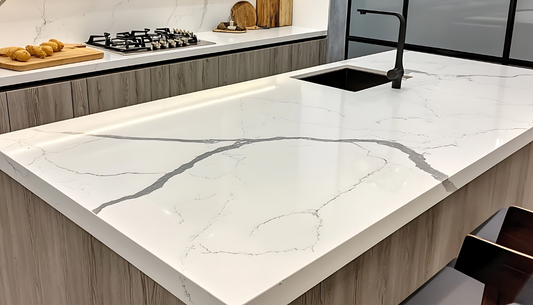
Match warm whites with glass tile, polished quartz, or honed marble. These surfaces brighten the space and support bright colors while keeping it open.
- Glass or mirrored splash panels behind the range multiply task lighting.
- Polished stone or quartz with fine sparkle adds lift without glare.
- Chrome, nickel, or brass hardware creates crisp highlights.
Strategic two-tone layouts: lighter uppers, slightly deeper lowers
Use lighter uppers to draw the eye up, and shade bases a step deeper for balance. A vivid island adds contrast. Perimeter cabinets for small or dim kitchens stay light to preserve airiness.
- Keep uppers within a high LRV range to reflect ambient light.
- Choose bases one to two tones deeper to anchor traffic areas.
- Coordinate with existing countertops and backsplash to avoid visual clutter.
Test large samples in your kitchen’s actual lighting across the day
Apply poster-size samples on multiple walls. Track undertones and LRV shifts from morning to evening. This helps refine your design. Confirm lamp temperature (2700K–3000K) and dimmer settings to finalize your design.
Before ordering, place doors near appliances and stone swatches. Verify that colors, metal finishes, and flooring harmonize under your fixtures. This on-site check ensures the palette performs in real life.
Pearl Cabinet Color Collections for Low-Light Kitchens in the Pacific Northwest
In cloudy, tree-lined neighborhoods, kitchens need tones that bounce light and calm shadows. Pearl cabinets deliver that balance with palettes tuned for the Pacific Northwest. They are ideal cabinets for small or dim kitchens and among the best cabinet colors for low-light kitchens.
Pearl cabinets: bright, versatile options for dim spaces
Pearl cabinets have light-reflective finishes that lift tight rooms without glare. They pair well with quartz, butcher block, and stainless steel. This supports cohesive updates in compact plans.
Pure white base cabinets and pure grey base cabinets for instant lift
Choose pure white base cabinets to open shadowed corners and keep sightlines clean. They are like designer-favored crisp whites. For a softer, low-maintenance look, pure grey base cabinets add gentle contrast. They hide smudges and keep a bright feel in corridors and galley layouts.
Pearl cabinets in Ashton Grey and Ethan Green for soft, modern color
Ashton Grey cabinets bring modern warmth without weighing down the room. They work well with cool daylight and warm LEDs. Ethan Green cabinets offer a muted, airy green. This balances dark islands and stone veining while reading light well—smart picks for low-light kitchens.
Pearl’s deep inventory, competitive pricing, and one-stop showroom experience
Pearl serves homeowners, contractors, and builders across the region. They have a deep in-stock lineup and fast lead times. In the showroom, compare finishes side by side to match countertops and backsplashes. This ensures cabinets for small or dim kitchens fit your space, timeline, and budget.
Low-Light Kitchen Design Tips for a Faster, Easier Remodel
Start with light-reflective cabinets to make a dim room feel bigger and clearer. Choose whites, soft whites, off-whites, and light neutrals that match your counters and floors. If you want subtle greige, Classic Gray or Revere Pewter in a satin sheen adds depth without weight. These kitchen remodel color choices rank among the best cabinet colors for low-light kitchens.
Finish matters. Use satin or semi-gloss to bounce scarce light and keep cleanup easy. Pair pale cabinetry with reflective surfaces—glass tile, polished stone, and brushed metal accents—to multiply brightness. If all-white feels stark, consider bright cabinet colors that stay airy: soft blues and muted greens. These low-light kitchen design tips show how to brighten a dark kitchen without a full gut.
Layout can speed results. Try lighter uppers with slightly deeper lowers to lift sightlines and ground the room. Test large samples in your actual space from morning to evening to catch undertones before you commit. This step protects your timeline and budget while guiding the best cabinet colors for low-light kitchens and bright cabinet colors that suit your light levels.
In the Pacific Northwest, streamline choices and scheduling by using Pearl’s deep inventory and one-stop showroom. Coordinating cabinets, countertops, and backsplashes in one place leads to faster decisions, tighter timelines, and a cohesive finish. With these low-light kitchen design tips, you’ll know how to brighten a dark kitchen with smart kitchen remodel color choices that look great on day one and stay timeless over time.
FAQ
How do light-reflecting cabinet colors change perceived space?
Bright colors reflect light, making small or dim kitchens appear larger. Whites, creams, and grays create an airy feel. Satin or semi-gloss sheens increase reflectivity even more.
What’s the impact of undertones and LRV in dark kitchens?
LRV shows how much light a color reflects. Higher values make colors appear brighter. Warm whites like Simply White or Shoji White soften glare and brighten rooms.
How do I balance warmth and brightness to avoid a flat look?
Mix warm whites with soft greiges or light grays for depth. Try two-tone layouts with lighter uppers and deeper lowers. Add reflective finishes like glass tile or polished stone for visual interest.
Can I use blue or green without darkening the room?
Yes. Airy blues like Ocean Air and Harbor Fog recede visually. Muted greens like Hollingsworth Green add color without darkening the space.
Are Classic Gray and Revere Pewter good for satin cabinet finishes?
Yes. Classic Gray is a warm off-white gray. Revere Pewter is a light greige with a subtle green undertone. In satin, both look slightly lighter and pair well with popular white quartz and mixed metals.
What color ideas work best for small or dim kitchens?
Use light-reflecting cabinet colors like warm whites, off-whites, and light grays. Add reflective surfaces. Consider two-tone schemes and keep ceilings and trim light to visually lift the room.
What if white clashes with my countertops or feels too stark?
Try alternatives like muted sages, soft greiges, or airy blues. These colors brighten without glare and offer a fresh contrast.
How can muted sage and light green help if I have a heavy island?
Soft green on perimeter cabinets counters the weight of a dark or moody island. It adds contrast and freshness without dimming the space.
Should I use greige bases with bright white uppers?
Yes. Light-to-mid greige on base cabinets with bright white uppers lifts sightlines. It balances warmth and reflectance, keeping the room feeling open.
Do soft blue accents with off-white walls feel airy?
They do. Cooler blues recede visually. Accents like Ocean Air or Harbor Fog with off-white walls maintain a breezy, spacious feel.
Which finishes help brighten a dark kitchen?
Satin and semi-gloss cabinet finishes bounce more light. High-gloss or polished elements on backsplashes and counters further amplify brightness.
What materials pair well with pale cabinetry to reflect light?
Glass tile, polished stone, mirror or metallic accents, and light quartz surfaces enhance light bounce. They support an airy look.
Are two-tone cabinet layouts a good idea in low light?
Yes. Keep uppers lighter and lowers slightly deeper to add depth without weighing down the room. A colorful island can add contrast while the perimeter stays bright.
How should I test cabinet colors for a dim kitchen?
Sample large swatches on-site and view them morning, afternoon, and evening. Watch undertones and LRV shifts under your actual lighting and finishes.
What Pearl cabinet options work for low-light kitchens?
Pearl offers light-reflecting cabinet colors for dark spaces. These include warm whites, soft neutrals, and airy hues designed to brighten without glare.
Are pure white base cabinets and pure grey base cabinets good choices?
Yes. Pure white base cabinets give instant lift. Pure grey base cabinets offer soft, light-reflecting neutrality that hides smudges and keeps the look modern.
What are Ashton Grey and Ethan Green best for?
Ashton Grey provides soft, modern warmth similar to light greige. Ethan Green brings a muted, fresh contrast that lightens rooms with darker accents or islands.
How does Pearl make remodeling easier in the Pacific Northwest?
Pearl’s deep inventory, competitive pricing, and one-stop showroom streamline selection, sampling, and coordination. This speeds up low-light kitchen projects.
What are the top low-light kitchen design tips for a faster, easier remodel?
Prioritize light-reflecting cabinet colors and use satin or semi-gloss sheens. Add reflective materials and consider two-tone layouts. Test large samples and coordinate with existing countertops and backsplashes for a cohesive finish.
How can I brighten a dark kitchen without sunlight?
Choose light-reflecting cabinet colors and keep ceilings and trim in warm whites. Add glass or polished surfaces and maximize sheen. Two-tone cabinets and strategic lighting also help.
What cabinet color ideas work best for the Pacific Northwest?
Warm whites and soft greiges perform well under cloudy skies. Think Simply White, Shoji White, White Duck, Classic Gray, and Accessible Beige. Pearl’s showroom lets you compare these against your counters and backsplashes.